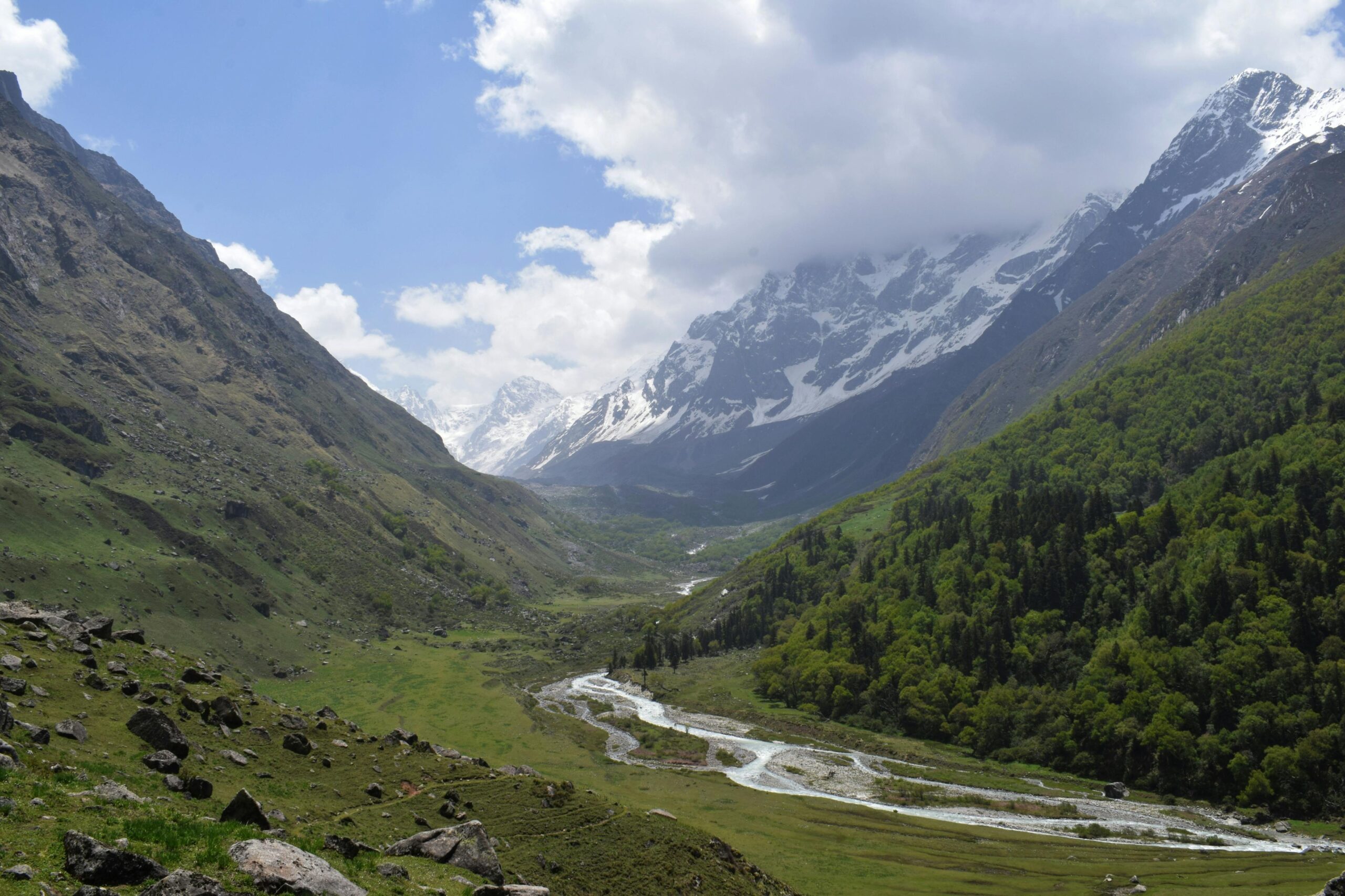
The Har Ki Dun Trek, also known as the “Valley of Gods,” is one of the most enchanting and scenic treks in Uttarakhand, located deep inside the Govind Pashu Vihar National Park in the Western Garhwal Himalayas. At an altitude of around 11,700 feet, this cradle-shaped valley is surrounded by snow-covered peaks, alpine meadows, ancient villages, and glacial rivers.
The name Har Ki Dun literally means “Valley of the Lord,” and according to Hindu mythology, this is the route the Pandavas took to reach heaven through Swargarohini Peak — making it a place of deep spiritual and natural significance.
Overview
🏔️ Har Ki Dun Trek Overview
🌸 Introduction
The Har Ki Dun Trek, also known as the “Valley of Gods,” is one of the most enchanting and scenic treks in Uttarakhand, located deep inside the Govind Pashu Vihar National Park in the Western Garhwal Himalayas. At an altitude of around 11,700 feet, this cradle-shaped valley is surrounded by snow-covered peaks, alpine meadows, ancient villages, and glacial rivers.
The name Har Ki Dun literally means “Valley of the Lord,” and according to Hindu mythology, this is the route the Pandavas took to reach heaven through Swargarohini Peak — making it a place of deep spiritual and natural significance.
📍 Location
Region: Sankri Range, Uttarkashi District, Uttarakhand
Nearest City: Dehradun (Base point)
Base Village: Sankri
Trek Altitude: 11,700 ft (3,566 m)
Trek Distance: Approx. 47 km (round trip)
🗓️ Best Time to Visit
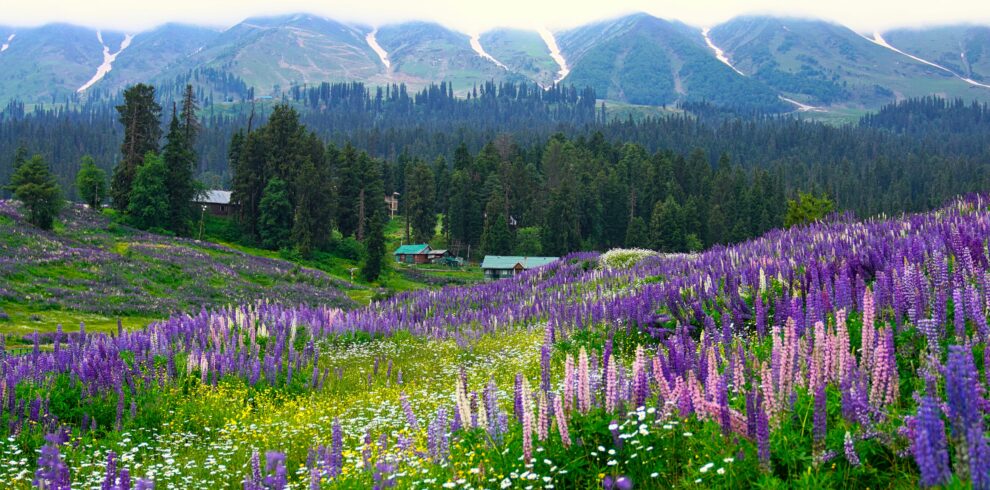
Summer (March – June): Pleasant weather, lush green forests, blooming flowers, and clear mountain views.
Post-Monsoon (September – December): Crisp air, golden meadows, and chances to witness snow-capped peaks.
Avoid monsoon months (July–August) due to heavy rainfall and slippery trails.
🌄 Trek Highlights
Mythological Significance: Believed to be the path to heaven taken by the Pandavas in the Mahabharata.
Mesmerizing Landscapes: A perfect blend of pine forests, glacier basins, cascading streams, and ancient wooden villages.
Stunning Peaks: Panoramic views of Swargarohini (I, II, III), Bandarpoonch, Kala Nag, and Hata Peak.
Rich Flora & Fauna: Part of Govind National Park, home to Himalayan monals, black bears, langurs, and various wildflowers.
Traditional Villages: Explore Osla, Seema, and Sankri – remote villages with traditional wooden houses and temples.
🏞️ Scenic Attractions Enroute
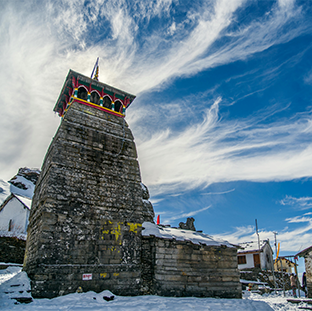
Osla Village: A 2,000-year-old village with a wooden temple dedicated to Lord Someshwar (an incarnation of Lord Shiva).
Maninda Tal: A glacial lake near Har Ki Dun, surrounded by meadows and wildflowers.
Tons River: The trek runs parallel to this river, offering soothing sounds and picturesque crossings.
Swargarohini Peak View: A legendary peak said to be the gateway to heaven.
🚶♂️ Trek Difficulty
Grade: Easy to Moderate
Ideal For: Beginners, nature lovers, photographers, and adventure enthusiasts.
The trail involves gradual ascents through forests, meadows, and streams — making it accessible even for first-time trekkers with basic fitness.
🏕️ Accommodation & Facilities
Stay: Combination of guesthouses (in Sankri) and campsites (during the trek).
Meals: Nutritious vegetarian meals are provided during the trek.
Safety: Experienced trek leaders, local guides, and first-aid support available.
🚗 How to Reach
By Train: Dehradun Railway Station is well connected to Delhi and other major cities.
By Air: Nearest airport is Jolly Grant Airport, Dehradun (about 25 km from the city).
By Road: Regular buses and taxis operate between Dehradun and Sankri (200 km / 8–9 hours drive).
💫 Why Choose Har Ki Dun Trek
Perfect introduction to Himalayan trekking.
Ideal for adventure and photography lovers.
Offers a blend of mythology, local culture, and unmatched natural beauty.
Less crowded compared to other Himalayan treks.
Gives you a chance to experience authentic Garhwali hospitality.
| Particular | Details |
|---|---|
| Altitude | 11,700 ft |
| Trek Distance | ~47 km round trip |
| Duration | 6 Nights / 7 Days |
| Base Camp | Sankri |
| Difficulty | Easy to Moderate |
| Region | Uttarkashi, Uttarakhand |
| Best Season | March–June & Sept–Dec |